

Why Consistent Follow-Up is Essential in Real Estate
Real Estate, Lead Generation, Sales Strategy
Mastering Follow-Up in Real Estate: How Consistency Converts Leads into Clients
Mastering persistence in real estate means getting good at following up. It’s not just about finding a potential client; it's more about helping them through the buying or selling process and staying present at every step of their decision journey.
Real Estate Follow-Up Strategy That Actually Converts
Consistent follow-up in real estate keeps you top of mind and dramatically increases conversion rates.
Personalised, value-driven messages outperform generic “just checking in” emails every time.
A structured real estate follow-up strategy using CRM, automation, and multi-channel communication turns cold leads warm.
Tracking your numbers (response, meetings, conversions) shows exactly where to improve and scale.
Agents who follow up consistently win more listings, more buyers, and more repeat business.
Follow-up is powerful. When done well, it keeps you in their thoughts, builds trust, and helps convert real estate leads into long-term clients. In a world where buyers and sellers are bombarded with options, your follow-up is what separates you from every other agent in their inbox or WhatsApp.
Why does this matter so much? Real estate is all about numbers. The more you follow up, the better your chances of turning leads into clients. A strong real estate follow-up strategy is one of the highest-leverage systems you can build in your business.
Let's look at how to make your follow-ups stand out, boost your success rate, and craft a top-notch, consistent follow-up real estate system that works in any market.

The Importance of Follow-Up in Real Estate
In a field as competitive as real estate, being memorable is tough. You could easily become just another name in a pile of business cards and ads. But a memorable follow-up can make you the first person a client thinks of when they are finally ready to act.
Think of a lead as a seed. You can’t just plant it and forget it, hoping it will grow on its own. It needs regular attention and care. Just like a plant needs water and sunlight, a lead needs nurturing through follow-up. That nurturing comes in the form of timely messages, useful information, and genuine human connection.
💡 Pro Tip: Treat every new contact as a long-term relationship, not a one-time opportunity. Your follow-up in real estate should be designed to serve them over months and even years, not just days.
So, how do you make your follow-up stand out from the hundreds of messages your prospects receive every week?
Five Ways to Make Your Follow-Up Memorable
1. Customise Your Messages
Don’t send the same old email or text. Customise your messages for each lead. If they liked a certain area, mention properties there in your messages. If they told you their children’s ages, reference nearby schools or parks. This shows you see them as individuals, not just potential sales.
Personalisation doesn’t have to be complicated. Even a short line like, “I remember you mentioned you prefer quiet communities near international schools—this new listing might fit perfectly” can instantly increase engagement and response rates.
2. Provide Useful Information, Not Just “Checking In”
Your follow-ups should be more than just check-ins. Share something useful, like market updates, home care tips, financing insights, or tailored property suggestions. This positions you as a knowledgeable professional and builds trust. When they think “Who understands this market?”, your name should come to mind immediately.
📌 Key Takeaway: Every touchpoint should answer a question, solve a problem, or move the client one step closer to a decision.
3. Keep It Regular and Predictable
Being regular with your follow-up is key. If someone doesn’t respond right away, it doesn’t mean they’re not interested. They might just be busy, travelling, or still comparing options. Regular messages keep you on their radar and show your dedication. Consistency builds familiarity—and familiarity builds trust.
4. Use Different Methods and Channels
Mix up how you reach out. Use emails, calls, social media, WhatsApp, SMS, and even face-to-face meetings. This makes sure you’re easy to reach in a way that suits them best. Some international buyers prefer messaging apps, while local sellers might respond better to a quick call or email.
For many agents, WhatsApp as a follow-up channel has become essential, especially when working with international investors who are constantly on the move. Quick voice notes and short updates can keep momentum without overwhelming your clients.
5. Measure Your Results and Refine
Keep track of what works. Which follow-ups get responses? Which subject lines get opened? Which messages lead to booked viewings or valuation appointments? Use this data to improve your approach. Over time, you’ll build a repeatable real estate follow-up strategy that you can train your team on and scale across markets.
In real estate, every lead is important. But it's not enough to just find leads. You need to nurture them with consistent, memorable follow-ups. By customizing your communication, offering valuable information, keeping in touch regularly, using various methods, and tracking your results, you can stay on their minds and convert more real estate leads into clients.
Next, we'll dive deeper into how consistent follow-up can boost your success and how to set up a great follow-up strategy. But for now, remember: your follow-up is your ace in the hole. Use it smartly.
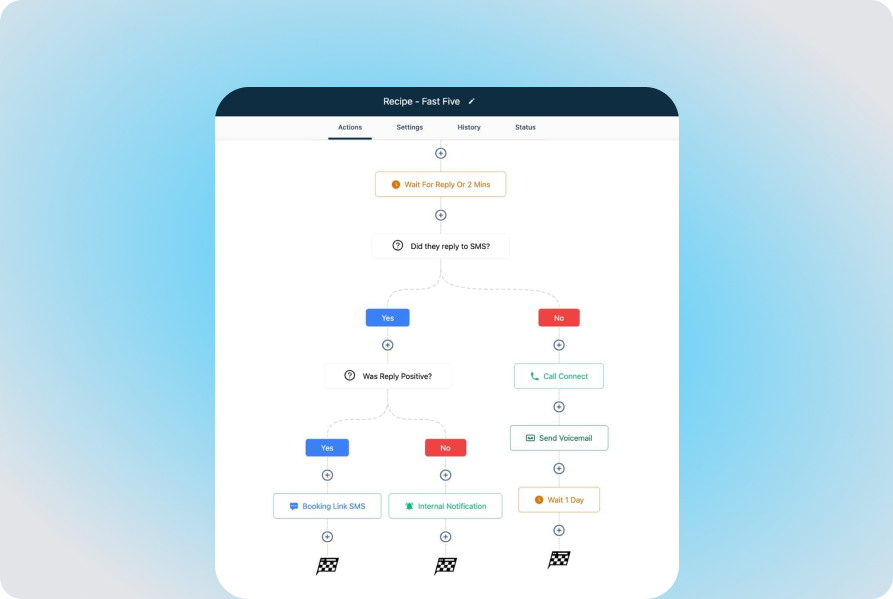
From Forgotten to Remembered: Techniques for Memorable Follow-Ups
In real estate and other businesses, numbers are crucial. They help us understand trends and set benchmarks. One key number is the conversion rate—the percentage of leads that become paying clients. Here, consistent follow-up really shows its strength and becomes your most reliable growth lever.
Imagine this: You get a lead and give it some initial attention. You send one email, maybe make one call. But if you don’t keep up the effort, that lead might dry up or go to another agent who's more attentive, more visible, and more consistent in their communication.
Follow-up is not a one-time thing. It’s a continuous cycle of keeping in touch, engaging, and building relationships. This cycle is what turns leads into clients, and clients into profits. A structured sequence of follow-ups—spread across days, weeks, and months—ensures you’re always there when the timing is right for them.
Think about this: according to InsideSales.com, 50% of leads aren’t ready to buy at first contact. That means half of your leads need more time and care—a good, steady follow-up can guide them to a purchase. Without this, you’re missing out on potential clients and income that are already in your database.
How Consistent Follow-Up Helps Turn Leads into Clients
Builds Trust and Credibility: Each follow-up is a chance to show off your real estate knowledge. Sharing valuable insights and personalized advice helps leads see you as a helpful expert, not just a salesperson chasing a commission.
Keeps You in Their Thoughts: Deciding to buy or sell a home takes time. Regular follow-ups mean you’re the first person they think of when they’re ready. People work with the agent they remember, not necessarily the first one they met.
Creates Healthy Urgency: Keeping in touch can gently remind leads that the market is competitive, nudging them toward a decision without pressure. Market stats, recent sales, and price changes can all be used to show why timing matters.
Shows You’re Committed: Real estate is all about service. Regular follow-ups show you’re ready to work hard for them, whether they’re buying, selling, or just exploring options. Commitment builds loyalty and referrals.
Gives You Valuable Insights: Every interaction teaches you more about what they want and need. Use this info to make your follow-ups even more relevant, and to qualify which leads are hot, warm, or cold.
In the numbers game of real estate, consistent follow-up is your winning strategy. It boosts your chances of success, helping you win more clients and build a thriving business across local and international markets.
So, stay in touch, offer value, and always be consistent. That’s how you win in real estate, even when markets shift and competition increases.
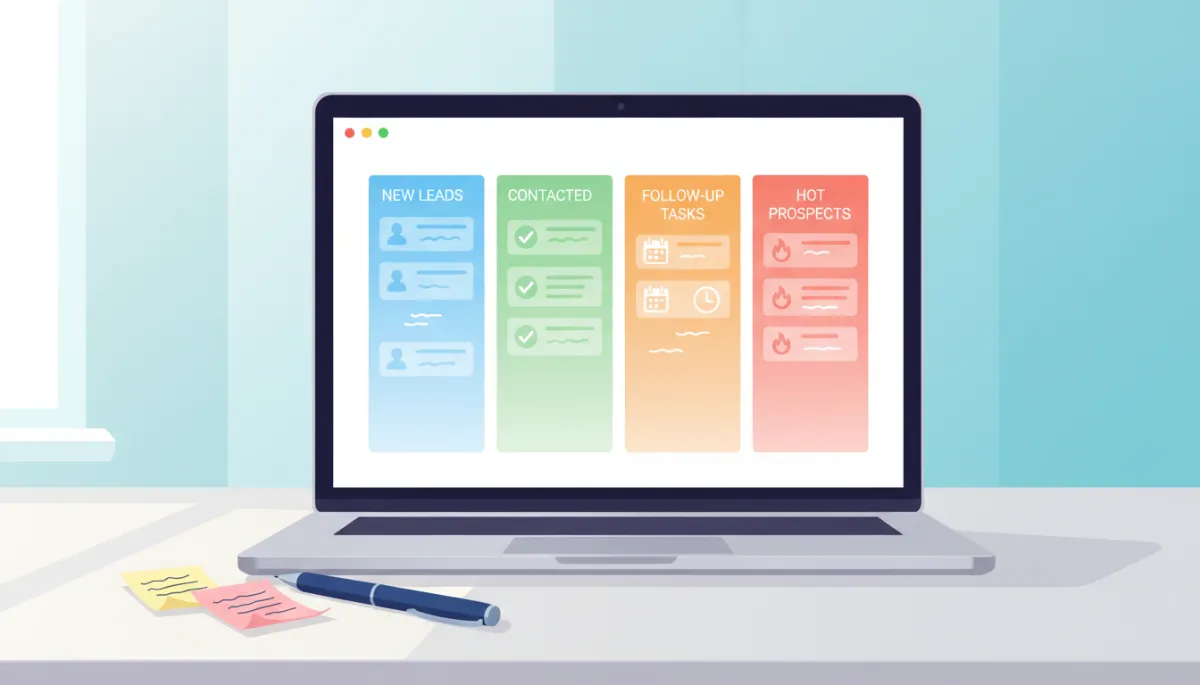
The Numbers Game: Boosting Your Success with Consistent Follow-Ups
Let’s continue with how to craft an effective follow-up strategy for real estate that you can execute daily. A strong system turns random follow-ups into a predictable engine for appointments and deals.
First, understand that follow-up isn’t one-size-fits-all. It should change based on where the lead is in the buying or selling process, their preferences, and how they’ve responded before. A buyer who just downloaded a guide needs different follow-up compared to a seller who requested a valuation yesterday.
Six Tips for an Effective Real Estate Follow-Up Strategy
Segment Your Leads: Not every lead is the same. Some might be ready to act fast, while others need more time. Group your leads by readiness, budget, property interests, nationality, or source (portal, referral, social media) to tailor your messages better. Segmentation makes your follow-up in real estate far more relevant and efficient.
Plan Follow-Up Timing: Finding the right frequency for follow-ups can be tricky. Start with more frequent contacts in the first 7–10 days, then slow down as time passes. For example: Day 1 (call + WhatsApp), Day 2 (email), Day 4 (message with property suggestions), Day 7 (market update), then weekly or bi-weekly until they convert or clearly opt out.
Automate When Possible: Using tools like a CRM system can save time by automating emails, reminders, and pipeline stages. But make sure each message feels personal. Use automation to handle timing and organisation, while you focus on human connection in your calls and messages.
Test and Adjust: Keep an eye on how your follow-ups perform. Look at open rates, reply rates, booked meetings, and closed deals to see what works best, and tweak your strategy as needed. Over time, you’ll build a data-driven, consistent follow-up real estate system that you can rely on.
Follow Up with a Clear Goal: Each message should have a purpose, whether it’s sharing new information, checking in, booking a viewing, or encouraging a decision. Make sure each contact brings something valuable to the table and moves the conversation forward.
Be Patient and Persistent: Converting leads can take time, especially with international buyers or high-value properties. Keep at it, even if they’re not ready to move forward right away. By being there consistently and offering value, you’ll be top of mind when they are ready to act.
💡 Pro Tip: If you struggle to keep leads organised, start by building a structured follow-up system that prevents leads from going cold. Systems protect you from losing deals simply because you forgot to call back.
Crafting a great follow-up strategy is both an art and a science. It requires knowing your leads, being consistent, and constantly refining your approach. Done right, it can be a powerful way to convert real estate leads at a much higher rate than your competitors.
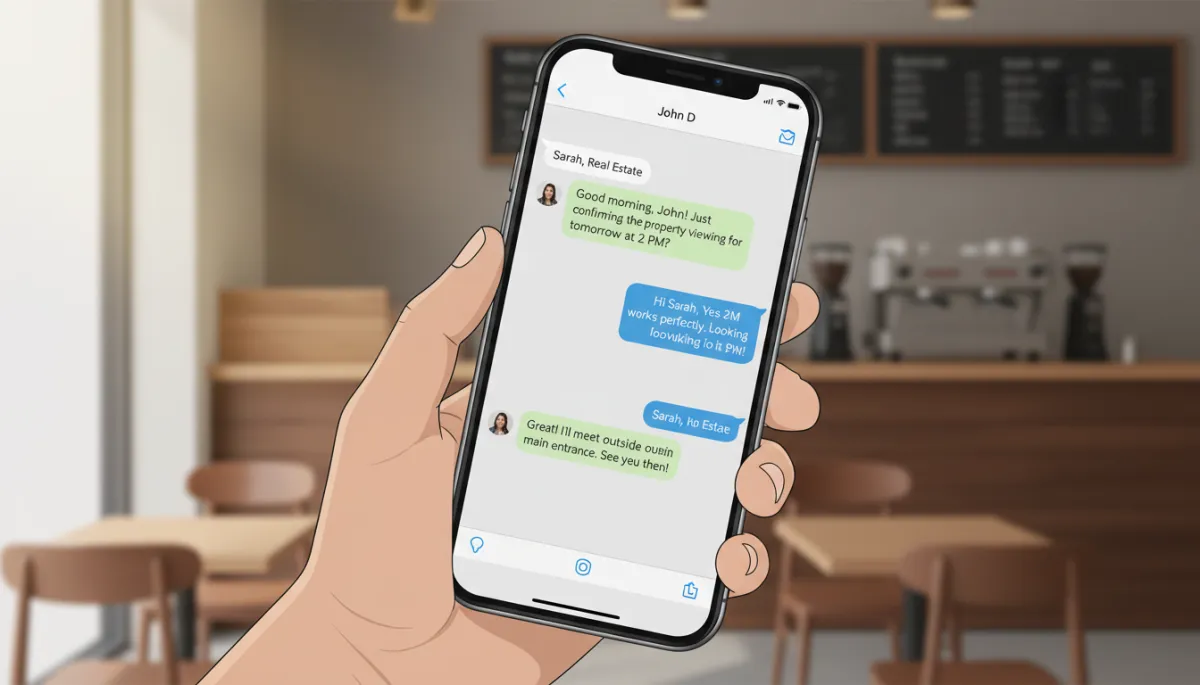
Practical Tips for Real Estate Agents: Perfecting the Follow-Up Process
In real estate, success isn’t just about finding leads; it’s about nurturing them into profitable relationships. Consistent follow-up is the tool that makes this transformation possible, whether you’re working in Dubai, London, New York, or any other international hub.
A lead is like a seed that needs regular care to thrive. Similarly, real estate leads require steady follow-ups to grow into valuable opportunities. This nurturing isn’t just about reminding them you exist; it’s about providing real value, showing your commitment, and establishing yourself as a trusted expert in their market of interest.
In a market flooded with messages and emails, a well-planned follow-up can make you the go-to agent for your leads. If you’re also working on generating real estate leads in competitive cities like Dubai, a strong follow-up system ensures that every new contact is maximised, not wasted.
Mastering follow-up takes more than just persistence. It involves a mix of personalization, offering value, and using various communication channels. It’s about understanding your leads’ preferences, tracking your success, and fine-tuning your approach based on results. Over time, this becomes a core part of your brand and reputation.
But why is consistent follow-up such a powerful tool in real estate? It’s simple. The more you follow up, the more likely you are to convert leads. Most agents give up after one or two attempts. The ones who win are the ones who stay respectfully persistent.
Remember, your follow-up is your secret weapon. It helps you stay remembered, builds trust, and turns leads into clients. Use it wisely, consistently, and strategically.
Now that you know how vital consistent follow-up and a strong strategy are, it’s time to put them into action. In the competitive world of real estate, your persistence and commitment to nurturing leads will set you apart and directly impact your income.
Start personalizing your messages, offering value, and maintaining consistency in your follow-up efforts. Keep track of your results, refine your approach, and see your conversion rates rise. Let your follow-up unlock greater success in your real estate career.
It’s time to elevate your lead generation and conversion. Ready to start?

FAQs: Real Estate Follow-Up Strategy for Agents
How often should I follow up with a new real estate lead?
In the first week, aim for multiple touchpoints: a call on Day 1, a follow-up message or email on Day 2, and another check-in around Day 4–5 with added value (such as listings or a market update). After that, weekly or bi-weekly contact works well, depending on their interest level. The key is to stay present without becoming intrusive.What channels work best for follow-up in real estate?
Use a mix of phone calls, email, WhatsApp, SMS, and social media. Many international buyers prefer messaging apps like WhatsApp for speed and convenience, while some local sellers respond better to calls. Test different channels and note which each client prefers, then prioritise that channel in your real estate follow-up strategy.What should I say in my follow-up messages?
Avoid empty “Just checking in” messages. Instead, share something useful: a new listing that matches their criteria, a price change, a recent sale in their area, or a short market update. Ask clear questions like, “Is this still the type of property you’re looking for?” to keep the conversation moving.How long should I keep following up with a lead?
As long as they have not clearly said “no” or asked to stop, you can keep following up at a lower frequency (for example, monthly market updates or quarterly check-ins). Many deals close months after the first contact, especially with investors or relocation clients. Consistent, low-pressure follow-up keeps you in position when they’re finally ready.How do I manage follow-up when I have a lot of leads?
Use a CRM to organise your pipeline, set reminders, and automate parts of your communication. Segment leads by priority (hot, warm, cold) and focus your time on the highest-potential clients while still keeping lighter contact with the rest. A clear system ensures no one slips through the cracks and makes consistent follow-up in real estate manageable at scale.


